Handoffs & follow-ups
Keep the next step moving without someone chasing every update.
Follow up with client Request sent · Today, 10:24 AM Handled
Client repliedYour team can take it from here.
Illustrative example
AI Strategy & Solutions
AI Automation & Implementation
We build connected workflows that handle repetitive handoffs, updates, and follow-ups, with your team in control.

Illustrative example
People handle decisions and exceptions.
Customers. Priorities. Progress.
What We Automate
Reduce the repeated tasks that interrupt your team’s day.
Keep the next step moving without someone chasing every update.
Illustrative example
Spend less time copying details and more time checking what matters.
Illustrative example
Help customers get a response and reach the right person.
Illustrative example
Keep agreed information consistent across supported tools.
Illustrative example
Illustrative example
Your tools. Your team.
We build around the tools you already use. Routine steps keep moving, and the decisions that need a person stay with your team.
How the work happens
You review the scope and cost before development begins.
Show us where repetitive work slows people down.
A shared picture of the problemReview what we’ll build, what it connects to, and what it costs.
An agreed scopeSee progress and try the work with your team.
A workflow tested against agreed needsPrepare your team and agree documentation and support.
A clear handoverClear expectations before the build. Practical support after launch.
Proof from Our Venture
Hala AI is our customer communication platform for voice and text.
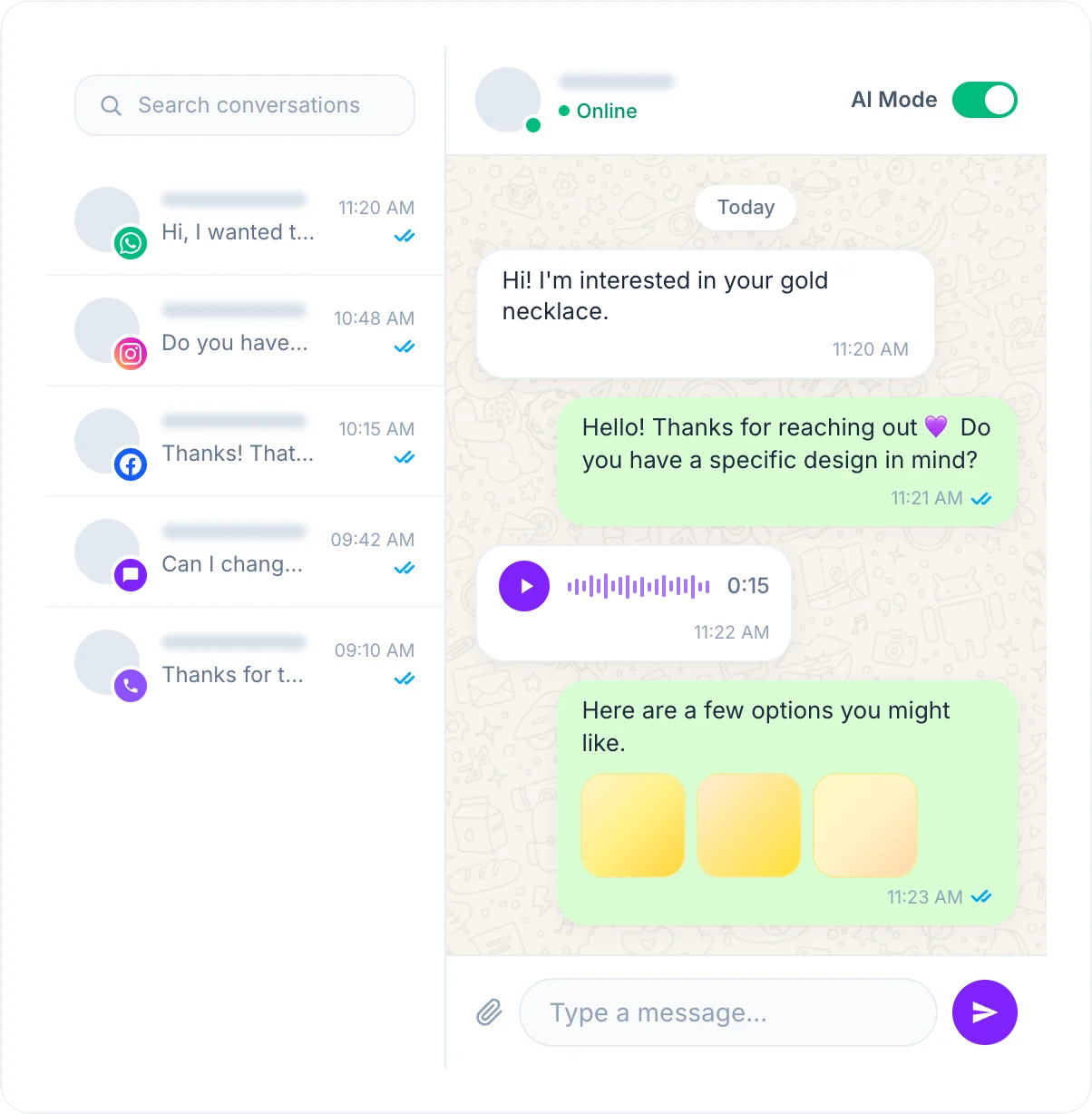
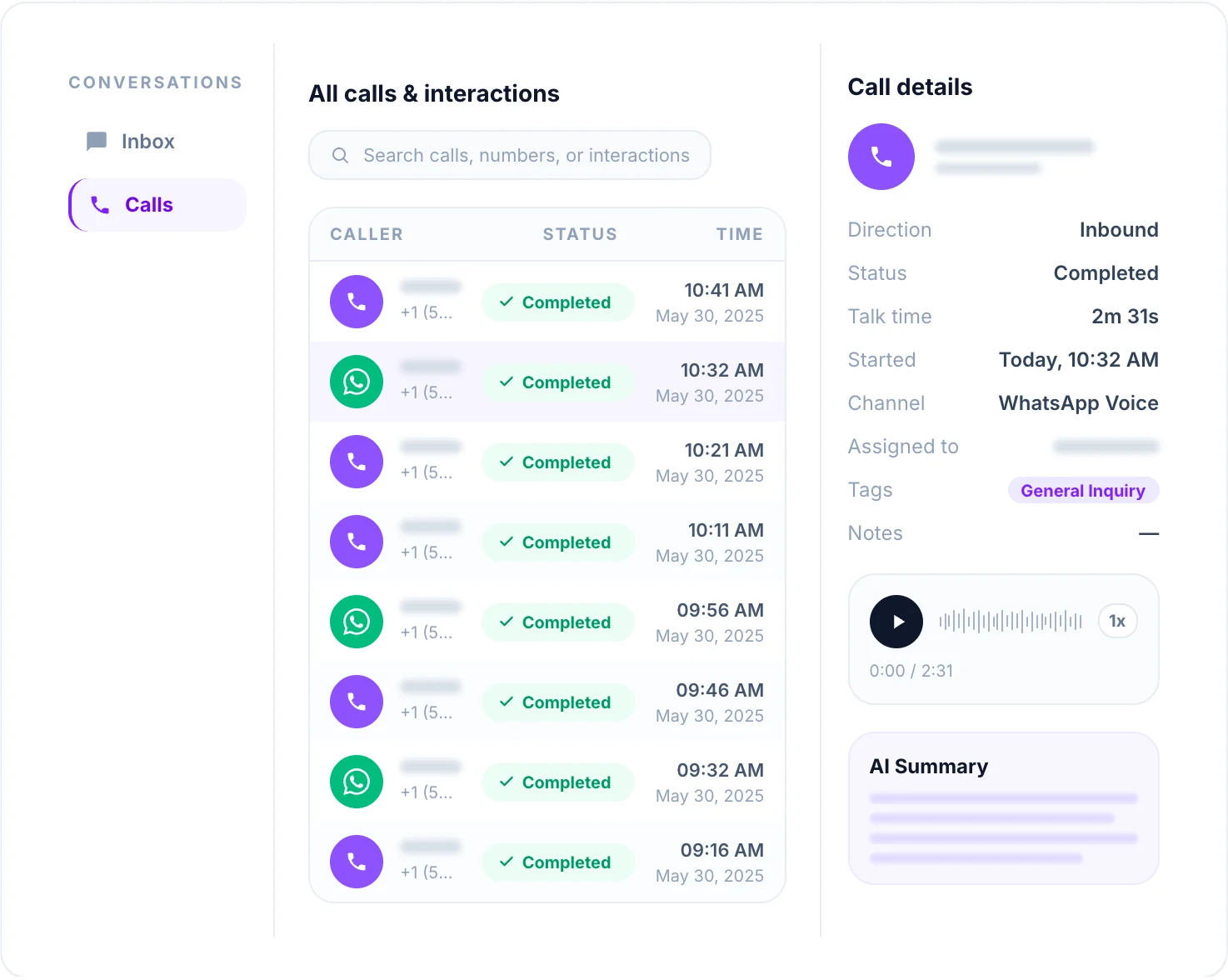
Interface shown on tryhala.ai · published product examples
Building and operating Hala gives us practical experience with customer communication, human handoff, and ongoing improvement.
Common Questions
Practical answers about fit, scope, and support.
We assess access and integration options before scoping. If a connection is impractical or unreliable, we raise it before the build.
No. Many steps are best handled by clear rules or a direct connection between tools. We use AI where it helps, such as reading messages or documents, and keep the rest simple.
Workflows are built with logging, alerts, and a clear path to a person, so exceptions are caught and handled instead of failing silently.
Yes. Starting with the workflow causing the most friction is often the best first step. Once it works well, we can extend to the next one.
They depend on the workflows, the tools involved, and the integrations required. We outline the work, its cost, and the timeline before development begins.
Support, maintenance, and improvements can be included in the project plan. We agree what is covered before the project begins.
Start a Project
Tell us what happens today, which tools you use, and where work gets stuck.
MetaEmpires Assistant
Online, replies in seconds
Hi there! I can walk you through what MetaEmpires builds and help you get started.
What are you looking to improve in your business?
Powered by Hala AI